

Key Takeaways
Summary
18 items · 20-40 minutes of pre-visit planning
Why Preparation Changes Everything
Most people walk into a museum the same way they walk into a grocery store - without a plan, trusting instinct to guide them through. That approach isn't wrong exactly, but it often leads to the same outcome: a vague sense of having seen a lot of things, followed by complete blankness when a friend asks what the highlight was.
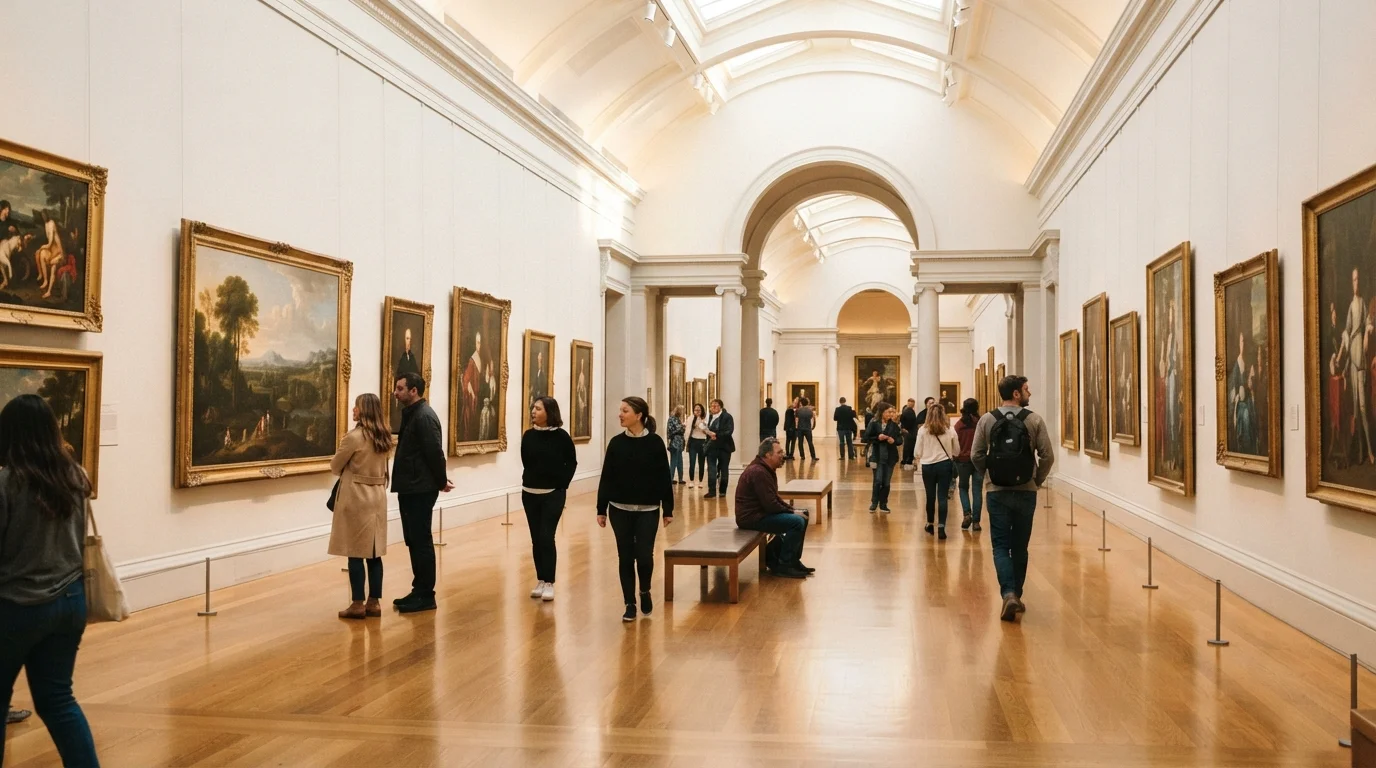
Museums are dense environments. A mid-sized American art museum might hold thousands of works across dozens of galleries. Without even a loose framework for how you want to move through that space, your attention tends to scatter. You end up speed-walking past things that deserved ten minutes of stillness, then feeling fatigued before you've reached the collection that would have meant the most to you.
The good news is that a small amount of preparation - we're talking twenty minutes the night before, not a graduate seminar - genuinely changes the quality of what you take away. This checklist is organized around three phases: what to do before you leave home, what to bring or arrange on the day, and how to set yourself up for reflection afterward. Think of it less as homework and more as giving yourself permission to have an opinion before you walk through the door.
Once you're inside and standing in front of a work, our companion guide on reading a painting can help you move past surface-level looking into something more engaged.
Before You Leave Home
Day-Of Logistics
Mindset and Engagement
After the Visit
Tools That Help You Prepare
You don't need much to do this well. Below are the practical tools worth having in place before your visit day arrives.
Museum's official website
Check current exhibitions, ticketing, timed-entry requirements, and gallery closure information before you go.
Museum mobile app
Many major museums offer apps with interactive floor maps, audio guides, and collection search - download before the visit to avoid wifi issues onsite.
Small notebook or notes app
Record reactions, questions, and works that resonated so you have something concrete to reflect on after the visit.
Comfortable walking shoes
Museum floors are typically hard stone or wood - proper footwear is the single most underrated factor in how long you can comfortably stay.
Making It a Habit, Not a One-Off
A museum visit is most rewarding when it connects to something ongoing in your creative or intellectual life. If you've been thinking about building a home art practice, a museum visit can serve as the kind of anchor event that keeps that practice alive - a touchstone you return to mentally when you're making or observing at home.
Don't Let Ambition Kill the Visit
One of the most common museum mistakes is planning to see too much. Trying to cover every floor of a large institution in a single afternoon almost always results in fatigue and shallow engagement. Set a realistic scope before you arrive - two or three focused galleries beats a rushed lap of the whole building. Your enjoyment and retention will both improve.
The key is keeping the bar low enough that visits actually happen. You don't need to drive ninety minutes to a world-class institution every time. Many Americans live within reach of regional museums, university galleries, and arts centers that offer rotating exhibitions at little or no cost. Knowing your local options in advance - and building the pre-visit habit outlined here - means you're more likely to go, and more likely to leave with something real.
Treat each visit as a small, self-contained practice in attention. Over time, those visits accumulate into a genuine relationship with visual culture - one that makes the next visit richer than the last.