

Key Takeaways
Why Budgets Break Down Before the Month Even Ends
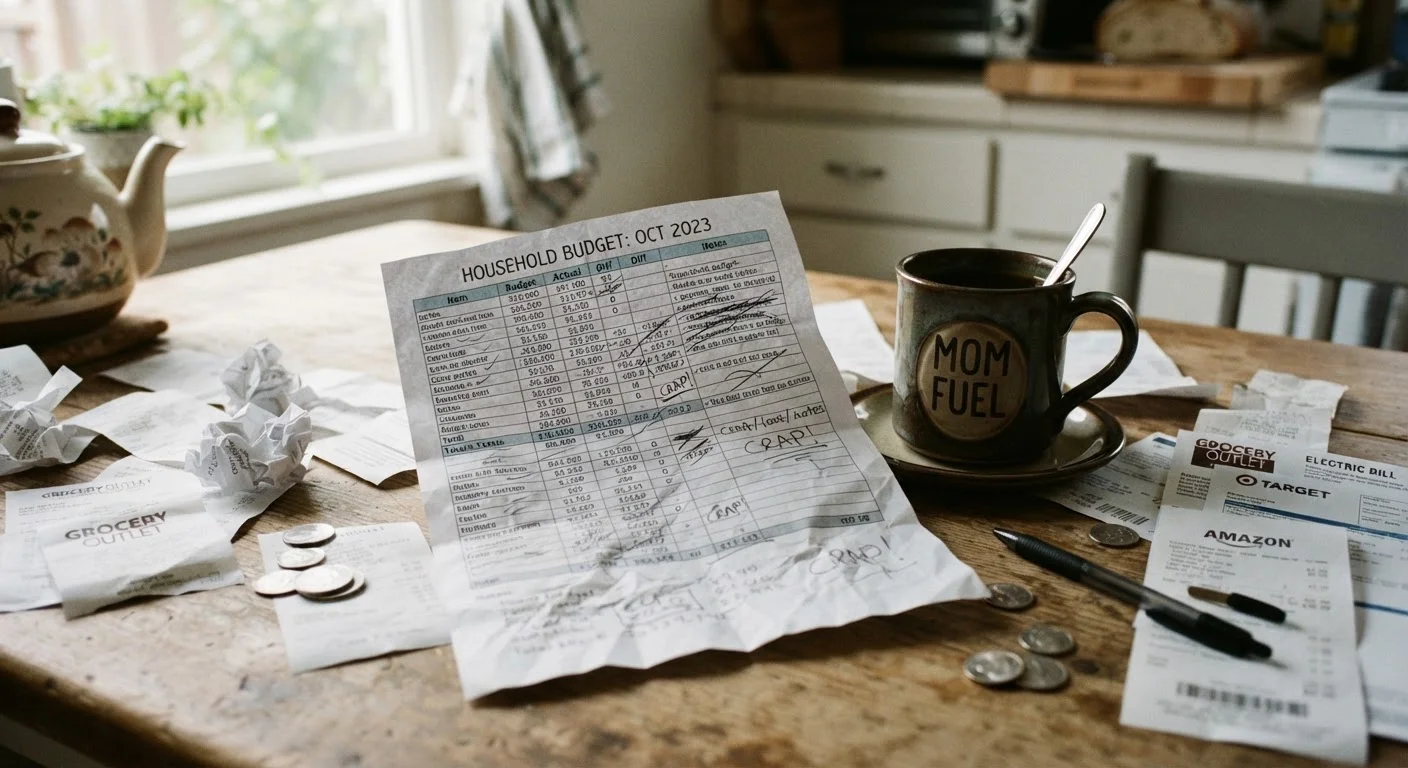
Starting a budget feels productive. You sit down, list your income, map out your bills, and feel briefly in control. Then somewhere around day ten or twelve, an unexpected charge appears, a few small purchases pile up untracked, and the whole structure starts to feel pointless. By week two, many people have quietly given up.
The frustrating truth is that most budget collapses aren't caused by lack of discipline. They trace back to a handful of structural and behavioral errors that are predictable - and correctable. Understanding these patterns is the first step to building a plan that actually holds. If you've never built a spending plan before, the step-by-step walkthrough covering income tracking and expense categorization is a useful place to start.
Budgeting from gross income rather than net (take-home) pay.
Why it happens: Gross income is the number people know from job offers and W-2s, so it feels like 'what you make.' Taxes, insurance premiums, and retirement contributions quietly vanish before any dollar reaches a checking account.
Setting spending limits that leave no room for irregular or forgotten expenses.
Why it happens: When people first build a budget, they focus on recurring monthly bills and groceries, overlooking costs that don't land in the same month every year - car registration, medical copays, gift seasons, or annual subscriptions.
Creating a budget so restrictive it's psychologically unsustainable.
Why it happens: Motivation is typically highest at the start, which pushes people to cut everything - dining out, entertainment, clothing - in one sweep. This works for days, not weeks.
Failing to track cash and small card purchases consistently.
Why it happens: Coffee, parking, a vending machine snack - these feel too minor to log. But five untracked purchases a day at $5 each add up to $75 by mid-month, creating a gap between the budget and reality that becomes discouraging.
Treating a budget as a fixed document rather than a living plan.
Why it happens: People spend significant time building a budget and resist changing it, even when circumstances shift - a medical bill, a price increase, a change in income.
How to Build a Budget That Holds Past Week Two
Avoiding these mistakes isn't about willpower - it's about design. A budget built on realistic numbers, with room for both irregular expenses and human imperfection, is far more likely to survive contact with real life.
Skipping Irregular Expenses Is a Guaranteed Shortfall
Annual subscriptions, car registration, dental bills, and home repairs don't appear on most monthly budgets - but they will appear in your bank account. Failing to plan for these costs is one of the leading reasons budgets collapse in the first two weeks. Divide annual irregular costs by 12 and treat that monthly amount as a fixed line item.
One of the most practical frameworks for durable budgeting is planning around irregular costs from the very first month. Every unexpected bill that hits your account was, in some sense, predictable - cars need maintenance, appliances break, medical costs arise. The guide to building a budget that survives unexpected expenses explains how to fold these certainties into your plan so they don't detonate it.
Equally important is treating your budget as a system that needs regular maintenance, not a document you finalize once. Weekly five-minute check-ins - comparing what you planned to spend against what you actually spent - catch problems while they're still small. You can find a practical starting framework in the monthly budget setup checklist.
Business owners dealing with similar structural budget failures will recognize many of these patterns. The same habits that derail household budgets affect small-business cash flow, as explored in the piece on building a business budget with staying power.
Getting a handle on your spending plan also lays the groundwork for broader financial stability. Once your budget consistently reflects reality, you're in a much stronger position to address savings goals and debt - topics covered in the Saving & Debt section of this site.
Your Budget Is Financial Education, Not a Guarantee
The strategies in this article are general financial information, not personalized financial advice. Everyone's income, obligations, and circumstances differ. For decisions specific to your financial situation, consult a qualified financial professional.
This article is for general informational purposes only and does not constitute personalized financial advice. Consult a licensed financial professional for guidance tailored to your individual circumstances.